Cybersecurity
Dell VxRail DSA-2026-453: How to Handle Third-Party Component Vulnerabilities
Dell marks DSA-2026-453 Critical for multiple third-party vulnerabilities in VxRail components. Learn how to inventory, update and verify VxRail safely.
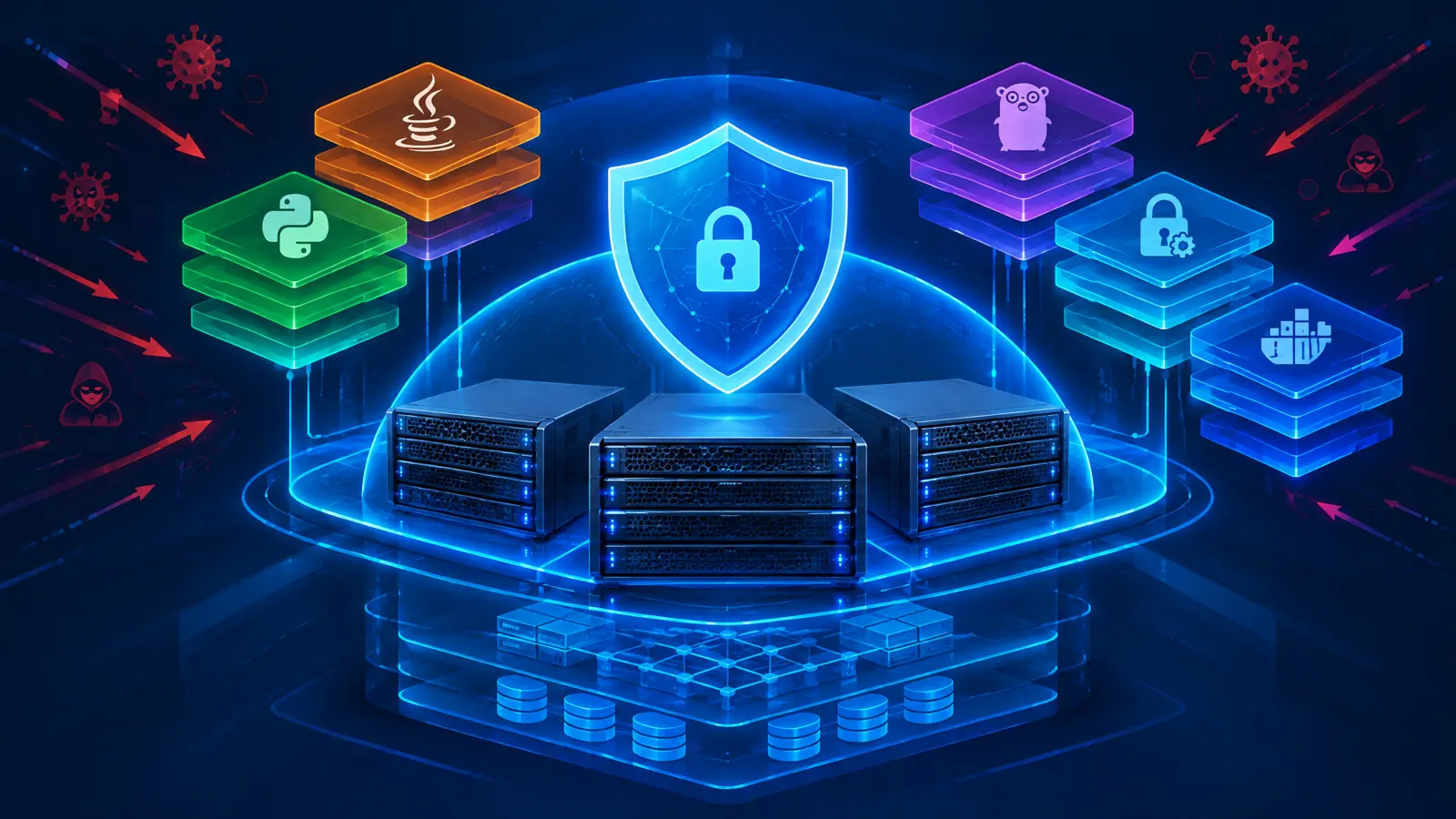
Short answer:** Dell’s DSA-2026-453 is marked Critical and lists multiple third-party component vulnerabilities affecting VxRail remediation. The advisory includes Java, Python, Golang, OpenSSL, curl, libsoup, Expat, SQLite, sudo, Vim and other components. The safe response is to identify the exact VxRail release, use Dell’s supported remediation path, confirm the component versions included in the update and validate cluster health after the maintenance window. **Key Takeaways** - A platform advisory can contain many component CVEs without meaning every component is exposed in every deployment. - VxRail administrators should use the affected-product and remediation details for their exact release. - Inventory should include cluster, node, appliance and lifecycle-manager records. - Do not replace a supported VxRail update with ad-hoc library replacement. - Validate workload availability, cluster health, backups and management access after updating.
Introduction
Short answer:** Dell’s DSA-2026-453 is marked Critical and lists multiple third-party component vulnerabilities affecting VxRail remediation. The advisory includes Java, Python, Golang, OpenSSL, curl, libsoup, Expat, SQLite, sudo, Vim and other components. The safe response is to identify the exact VxRail release, use Dell’s supported remediation path, confirm the component versions included in the update and validate cluster health after the maintenance window.
**Key Takeaways**
- A platform advisory can contain many component CVEs without meaning every component is exposed in every deployment.
- VxRail administrators should use the affected-product and remediation details for their exact release.
- Inventory should include cluster, node, appliance and lifecycle-manager records.
- Do not replace a supported VxRail update with ad-hoc library replacement.
- Validate workload availability, cluster health, backups and management access after updating.
What DSA-2026-453 covers
Dell’s advisory describes multiple vulnerabilities in third-party components used across VxRail-related products and marks the impact Critical. Its table includes vulnerabilities in Java, Python, Golang, OpenSSL, curl, libsoup, Expat, SQLite, sudo, Vim and other software.
The article should not be read as a claim that each CVE is reachable through the same attack path. Component exposure depends on the VxRail version, appliance model, bundled software, management plane and the exact remediation package. Administrators need to map the advisory to their deployment rather than copying the entire CVE list into a generic scanner ticket.
Why component inventories matter
Hyperconverged infrastructure combines compute, storage, management and software layers. A security team may track the VxRail product version while missing a vulnerable embedded runtime or utility. That is why the advisory is useful for improving software inventory and lifecycle-management evidence.
Record the cluster identifier, VxRail release, node model, lifecycle-manager version, maintenance owner, backup status and Dell remediation target. Keep sensitive infrastructure identifiers private. For Indian organizations, include disaster-recovery sites and clusters operated by a managed service provider.
Safe remediation workflow
1. Export or record the supported pre-update configuration and confirm backups are usable.
2. Identify every VxRail cluster and map it to Dell’s affected-product table.
3. Review the remediation package and release notes for prerequisites, sequencing and downtime.
4. Schedule the update through the supported VxRail lifecycle workflow.
5. Avoid manually replacing bundled Java, Python, OpenSSL or other libraries unless Dell explicitly supports that action.
6. Monitor cluster health, node status, storage resilience, workload availability and management access.
7. Recheck versions and record the completed remediation evidence.
8. Investigate unusual management events separately; successful patching does not prove that no earlier compromise occurred.
What should be checked after the update?
Confirm that all nodes rejoin the expected cluster state, storage policies remain healthy and workloads can be reached through normal paths. Check backup jobs, monitoring, certificates, administrative access and alerting. If the update changes a component’s behaviour, use the vendor-supported rollback or recovery method rather than improvising on a live node.
Avoid CVE-list fatigue
A long component table can create two opposite errors: teams may ignore it because it is long, or they may treat every CVE as equally exposed. A better approach is to connect each item to a real product release, component version, attack surface and remediation state. Prioritize internet-reachable management paths and unsupported lifecycle states while preserving evidence for everything else.
FAQ
### Does DSA-2026-453 mean every VxRail cluster is compromised?
No. It is a critical security update advisory, not proof of compromise. Exposure depends on the product release and embedded component versions.
### Can administrators update one library manually?
Do not do so unless Dell documents and supports that procedure. Platform updates must preserve compatibility and supportability.
### Is a backup enough for rollback?
A backup is important but should be paired with a tested recovery procedure, current cluster state and a maintenance plan.
Conclusion
DSA-2026-453 is a reminder that platform security includes the components inside the platform. Map the advisory to the exact VxRail release, use Dell’s supported remediation, verify every cluster after the change and keep the investigation separate from unsupported assumptions about compromise.
Internal reading
- [Cloud-native, container and Kubernetes security](/articles/cloud-native-container-kubernetes-security)
- [Software supply-chain attacks](/articles/software-supply-chain-attacks)
- [Security operations: SOC, SIEM, XDR and SOAR](/articles/security-operations-soc-siem-xdr-soar)
Decision checklist
- [Cloud-native, container and Kubernetes security](/articles/cloud-native-container-kubernetes-security)
- [Software supply-chain attacks](/articles/software-supply-chain-attacks)
- [Security operations: SOC, SIEM, XDR and SOAR](/articles/security-operations-soc-siem-xdr-soar)
Limitations
- Reporting channels, procedures and security guidance can change; verify current instructions before acting.
Evidence sources
- dell.com — Dell DSA-2026-453 VxRail Security Update
- dell.com — Dell Security Advisories
- nvd.nist.gov — CVE Records Referenced by Dell
- dell.com — Dell VxRail Documentation